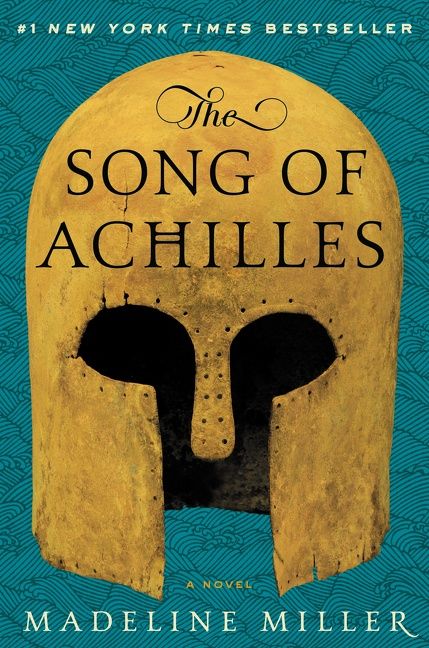
Madeline Miller’s The Song of Achilles is a beautifully rendered retelling of one of Greek mythology’s most enduring legends, but at its core, it is less about war and glory and more about love, identity, and the quiet moments that define a life. Told through the voice of Patroclus, the novel reimagines the story of Achilles not as a distant, godlike figure, but as a deeply human character shaped by connection and choice.
From the opening pages, Miller establishes a reflective and intimate tone. Patroclus, exiled and uncertain of his place in the world, becomes an unlikely companion to the brilliant and fated Achilles. Their bond develops gradually, with a natural progression that feels both tender and authentic. Rather than rushing into grand declarations, Miller allows their relationship to unfold in stolen moments—shared glances, conversations, and growing trust. This deliberate pacing makes their eventual devotion all the more impactful.
One of the novel’s greatest strengths lies in its characterization. Achilles is not simply the invincible warrior of myth; he is also a boy grappling with expectations, prophecy, and the weight of his own destiny. Patroclus, often sidelined in traditional tellings, emerges here as the emotional anchor of the story. His perspective provides a grounded lens through which readers experience both the beauty and the tragedy of their journey. Miller’s decision to center the narrative on Patroclus adds depth and vulnerability, transforming a familiar tale into something deeply personal.
The prose itself is lyrical without being overwhelming. Miller writes with a quiet elegance, crafting sentences that linger without drawing attention away from the story. The imagery is vivid, particularly in the early sections of the novel, where the natural world mirrors the innocence and freedom of Achilles and Patroclus’s youth. As the story shifts toward the Trojan War, the tone darkens, and the language reflects the growing tension and inevitability of loss.
While the novel is rooted in myth, it avoids feeling inaccessible. Readers do not need an extensive background in Greek mythology to appreciate the story, as Miller seamlessly weaves in necessary context without disrupting the narrative flow. Familiar figures such as Odysseus and Agamemnon appear, but they serve the story rather than overshadow it. Even the presence of the gods, particularly Thetis, is handled with restraint, emphasizing their influence without diminishing the human elements of the plot.
The emotional weight of the novel builds steadily, culminating in a conclusion that is both heartbreaking and fitting. Miller does not shy away from the tragic nature of the original myth, but she reframes it in a way that feels earned rather than inevitable. The final chapters, in particular, resonate with a quiet intensity, offering a sense of closure that is as poignant as it is satisfying. Ultimately, The Song of Achilles succeeds because it understands that the power of mythology lies not just in epic battles or heroic feats, but in the relationships that give those moments meaning. Miller transforms a well-known legend into a deeply moving exploration of love and loss, creating a story that lingers long after the final page.
 An Avid Reader's Guide to Books
Leave a comment