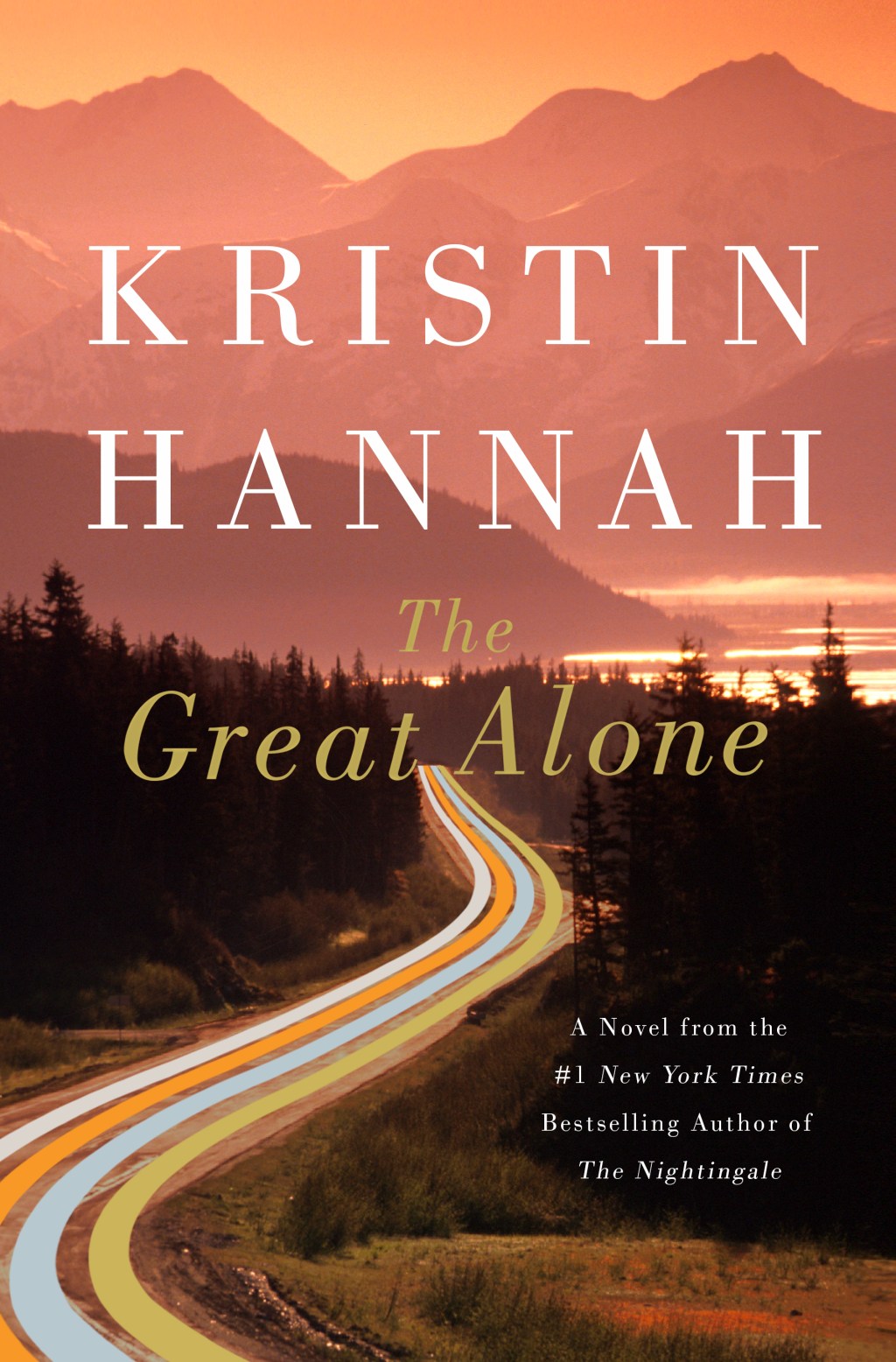
Kristin Hannah’s The Great Alone is a powerful and emotionally charged novel that explores survival, family dynamics, resilience, and the harsh beauty of the Alaskan wilderness. Published in 2018, the novel combines historical fiction with a deeply personal coming-of-age story, creating an unforgettable reading experience that remains one of Hannah’s most popular works.
Set in the 1970s, The Great Alone follows thirteen-year-old Leni Allbright, whose life is constantly uprooted by her unpredictable father, Ernt. A Vietnam War veteran struggling with severe emotional trauma, Ernt has difficulty maintaining steady employment and stability for his family. When he learns of an opportunity to claim a piece of land in remote Alaska, he convinces his wife, Cora, and Leni to leave everything behind and start a new life off the grid.
Initially, Alaska appears to offer the fresh start the family desperately needs. The vast wilderness, supportive community, and sense of independence provide hope that Ernt might finally find peace. However, as the long, dark winter descends, his mental health deteriorates, exposing the family to increasing levels of fear and instability. What follows is a gripping story of endurance as Leni and Cora struggle to survive not only the unforgiving environment but also the emotional turmoil within their own home.
One of the novel’s greatest strengths is Hannah’s vivid depiction of Alaska. The landscape feels like a character in its own right. Hannah captures both the breathtaking beauty and brutal dangers of the wilderness, immersing readers in a world where survival depends on preparation, community, and respect for nature. The descriptions of endless summer daylight, harsh winter darkness, and rugged terrain are richly detailed without becoming overwhelming. Readers can almost feel the freezing temperatures and hear the howling winds as they turn the pages.
Equally compelling is the character development. Leni serves as an excellent narrator and emotional anchor for the story. Her transformation from a frightened young girl into a determined and capable young woman is believable and inspiring. Through Leni’s perspective, readers experience the confusion, fear, and hope that accompany life in a deeply dysfunctional family. Her journey is both heartbreaking and empowering.
Cora is another standout character. Her devotion to Ernt, despite his increasingly destructive behavior, creates some of the novel’s most frustrating and tragic moments. Hannah effectively portrays the complexity of abusive relationships, illustrating how love, fear, and loyalty can become deeply intertwined. While readers may question some of Cora’s choices, her actions feel authentic to her circumstances and emotional reality.
The novel’s portrayal of Ernt is perhaps its most challenging aspect. Hannah does not excuse his behavior, but she does provide context through his experiences as a Vietnam veteran. His struggles with trauma, anger, and paranoia reflect the lasting psychological scars of war. While some readers may find his actions difficult to endure, his character serves as a reminder of the devastating effects untreated mental illness can have on individuals and families.
The pacing remains strong throughout most of the novel. Hannah balances moments of tension with quieter scenes that showcase the bonds formed within Alaska’s tight-knit community. Secondary characters add warmth and depth to the story, demonstrating how neighbors often become extended family in isolated environments. Their support provides a stark contrast to the chaos within the Allbright household.
Despite its many strengths, The Great Alone is not without flaws. Some plot developments in the latter portion of the novel feel overly dramatic and occasionally verge on melodrama. Certain twists require a degree of suspension of disbelief, particularly near the conclusion. While the emotional impact remains effective, a more restrained approach might have strengthened the story’s realism. Additionally, the novel’s heavy subject matter—including domestic violence, trauma, and emotional abuse—can make for an emotionally exhausting reading experience.
Nevertheless, Hannah’s storytelling ability shines throughout. She expertly explores themes of survival, love, sacrifice, and self-discovery while maintaining a strong emotional connection with readers. The novel asks difficult questions about loyalty, forgiveness, and the lengths people will go to protect those they love. It also highlights the importance of community and personal resilience in the face of overwhelming adversity.
Ultimately, The Great Alone is a compelling and memorable novel that combines an immersive setting with deeply human characters. While its occasional melodramatic moments prevent it from achieving perfection, the emotional depth, strong character arcs, and vivid depiction of Alaska make it a rewarding read. Fans of historical fiction, family dramas, and character-driven stories will find much to appreciate in this powerful tale of survival and hope.With its stunning setting and emotionally resonant narrative, The Great Alone earns a solid 4 out of 5 stars.


Leave a Reply