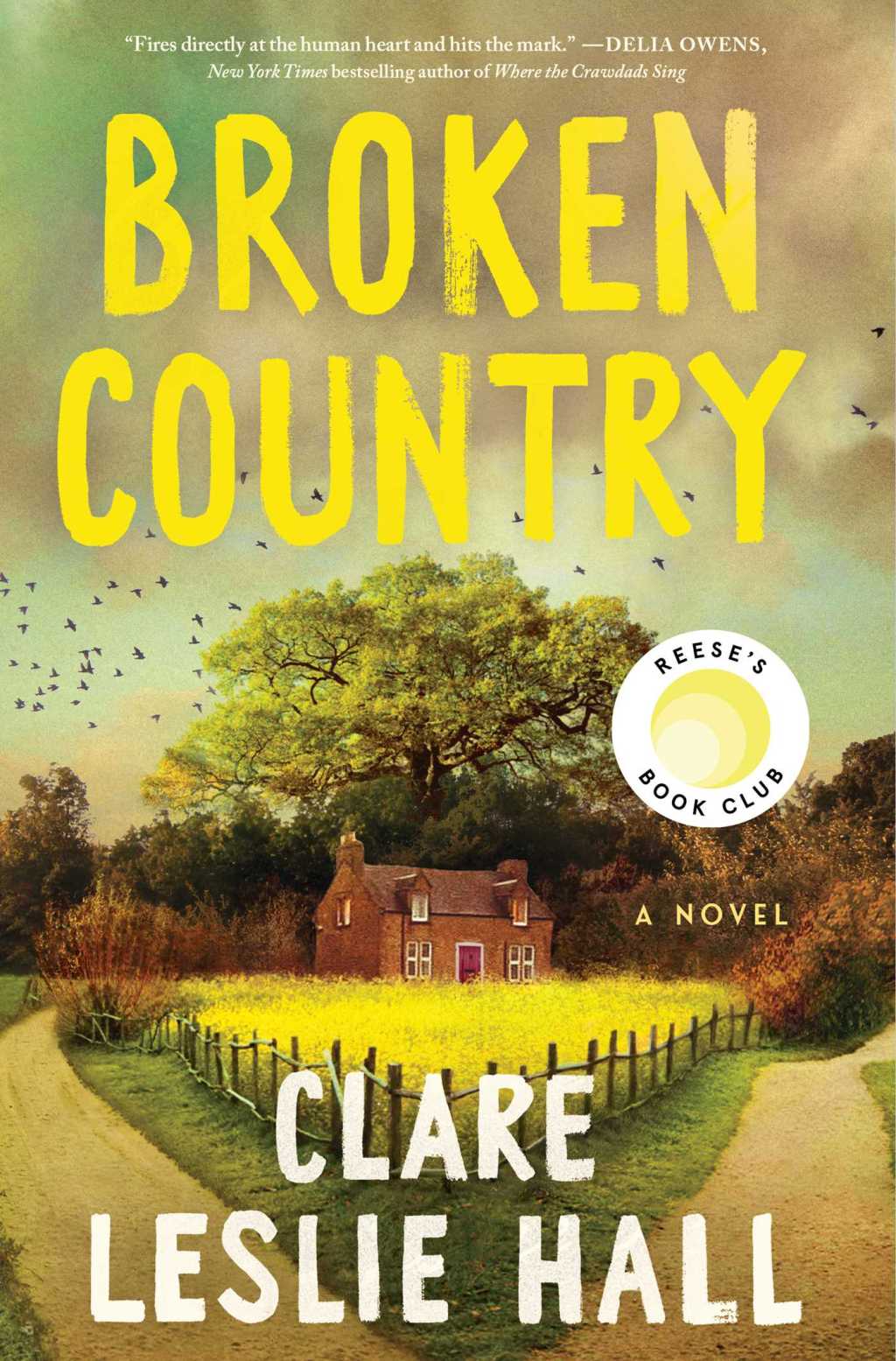
In Broken Country, Clare Leslie Hall crafts a deeply introspective novel that explores the emotional terrain of loss, belonging, and the lingering impact of the past. Set against a stark and often isolating rural backdrop, the story unfolds with a quiet intensity, drawing readers into the lives of characters shaped as much by what they carry as by what they try to leave behind.
At its core, Broken Country is a character-driven narrative, one that prioritizes emotional authenticity over dramatic spectacle. Hall introduces readers to a protagonist navigating a life marked by fracture—personal, familial, and communal. While the novel gradually reveals the circumstances that have led to this sense of dislocation, it does so with restraint, allowing the emotional weight to build naturally rather than relying on overt exposition.
The setting plays a crucial role in establishing the novel’s tone. The rural landscape is not simply a backdrop but an extension of the characters themselves—quiet, weathered, and, at times, unforgiving. Hall uses vivid yet understated descriptions to mirror the internal states of her characters, reinforcing the sense of isolation that permeates the story. This connection between place and emotion gives the narrative a grounded, almost tactile quality.
One of the novel’s most compelling aspects is its exploration of memory and how it shapes identity. The past is never far from the present in Broken Country, and Hall skillfully weaves together timelines and perspectives to illustrate how unresolved experiences continue to influence decision-making. Rather than presenting memory as a static force, the novel portrays it as something fluid—capable of shifting, distorting, and, occasionally, offering clarity.
The characters themselves are drawn with care and nuance. They are not defined by singular traits but by a collection of contradictions that make them feel real and relatable. Relationships in the novel are particularly well-developed, marked by unspoken tensions and moments of fragile connection. Hall avoids easy resolutions, instead allowing conflicts to linger in ways that feel true to life. This approach may require patience from the reader, but it ultimately results in a more immersive and emotionally resonant experience.
Hall’s prose is deliberate and measured, favoring subtlety over flourish. There is a quiet confidence in her writing, with sentences that carry weight without drawing unnecessary attention to themselves. The pacing reflects this style—steady and contemplative, with moments of heightened emotion emerging organically. While some readers may find the slower tempo challenging, it aligns with the novel’s thematic focus on introspection and gradual revelation.
As the story progresses, the sense of tension becomes more pronounced, not through dramatic twists but through the accumulation of emotional stakes. Hall builds toward a resolution that feels both inevitable and earned, allowing the narrative’s central questions to come into sharper focus. The climax does not rely on spectacle but on emotional clarity, offering a resolution that is as thoughtful as it is impactful.
Perhaps the novel’s greatest strength lies in its refusal to offer simple answers. Broken Country acknowledges the complexity of human experience, particularly when it comes to grief, forgiveness, and the possibility of moving forward. Hall presents healing not as a definitive endpoint but as an ongoing process—one that requires confronting difficult truths and accepting uncertainty.
The conclusion is understated yet effective, providing a sense of closure without diminishing the story’s emotional depth. It leaves readers with lingering questions, encouraging reflection rather than finality. This open-ended quality feels consistent with the novel’s broader themes, reinforcing the idea that life’s most significant changes often occur in quiet, incremental ways.Ultimately, Broken Country is a thoughtful and emotionally resonant novel that rewards careful reading. Clare Leslie Hall delivers a story that is both intimate and expansive, capturing the complexities of human connection with honesty and restraint. It is a novel that lingers—not because of dramatic moments, but because of its ability to quietly, and effectively, speak to the enduring impact of the past.


Leave a Reply