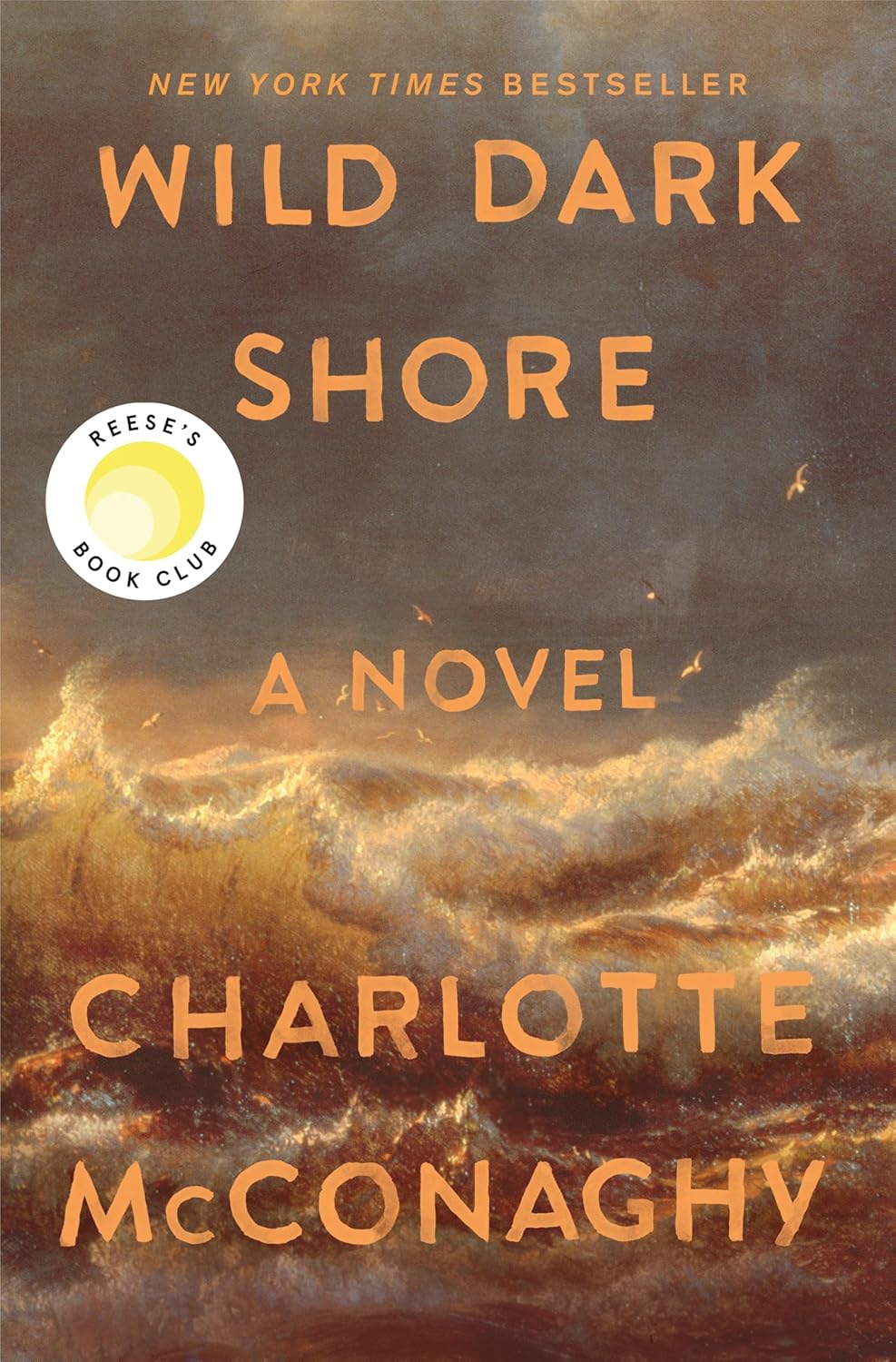
Charlotte McConaghy’s Wild Dark Shore is a haunting and atmospheric novel that blends literary fiction, mystery, family drama, and environmental themes into a compelling story set on the edge of the world. Known for her emotionally resonant novels Migrations and Once There Were Wolves, McConaghy once again demonstrates her remarkable ability to combine intimate human struggles with the larger forces of nature. While the novel occasionally leans too heavily into melodrama, its vivid setting, memorable characters, and emotional depth make it a rewarding read.
The story takes place on the remote Shearwater Island, a windswept outpost between Tasmania and Antarctica that houses a massive seed vault designed to preserve the world’s plant life in the face of climate catastrophe. The island’s final residents are Dominic Salt and his three children, who have spent years isolated from the rest of the world while caring for the island and its precious cargo. As rising sea levels threaten Shearwater’s future, a mysterious woman named Rowan washes ashore during a violent storm, bringing secrets of her own and disrupting the fragile balance of the family’s life.
McConaghy’s greatest strength remains her ability to create atmosphere. Shearwater Island feels alive on every page. The crashing waves, relentless storms, vast colonies of wildlife, and constant sense of isolation create a setting that is both beautiful and unsettling. The island becomes more than a backdrop—it functions almost as another character, shaping the emotions, decisions, and fears of everyone who lives there. Few contemporary authors write about the natural world with the same sense of wonder and urgency.
The novel’s multiple points of view allow readers to understand each member of the Salt family and the burdens they carry. Dominic is a grieving father haunted by past losses, while his children struggle with loneliness, uncertainty, and their own personal wounds. Rowan’s arrival introduces an intriguing mystery that gradually unfolds alongside the family’s secrets. McConaghy excels at portraying grief in its many forms, showing how loss can shape a person’s identity long after the initial tragedy has passed.
Another highlight is the book’s exploration of environmental themes. Climate change is ever-present throughout the story, but McConaghy avoids turning the novel into a lecture. Instead, she focuses on the emotional consequences of ecological decline. The threatened seed vault serves as a powerful symbol of both humanity’s failures and its hope for survival. The environmental message feels woven naturally into the narrative rather than imposed upon it.
That said, the novel is not without flaws. Some of the character relationships develop more quickly than feels entirely believable, and a few of the later plot twists rely on heightened emotional drama. Certain revelations are effective, but others feel designed primarily to maximize emotional impact. Readers looking for a tightly plotted thriller may find the pacing slow at times, as the novel prioritizes mood and character development over constant action.
Even so, Wild Dark Shore succeeds because of its emotional honesty and unforgettable setting. McConaghy creates a story about family, grief, trust, and resilience that lingers long after the final page. The novel asks important questions about what we preserve, what we lose, and what remains worth saving in a rapidly changing world.For readers who enjoy atmospheric literary fiction with strong environmental themes and deeply human characters, Wild Dark Shore is an absorbing and beautifully written novel. It may not reach the emotional heights of McConaghy’s very best work, but it remains a thoughtful and powerful read worthy of 4 out of 5 stars.


Leave a Reply